
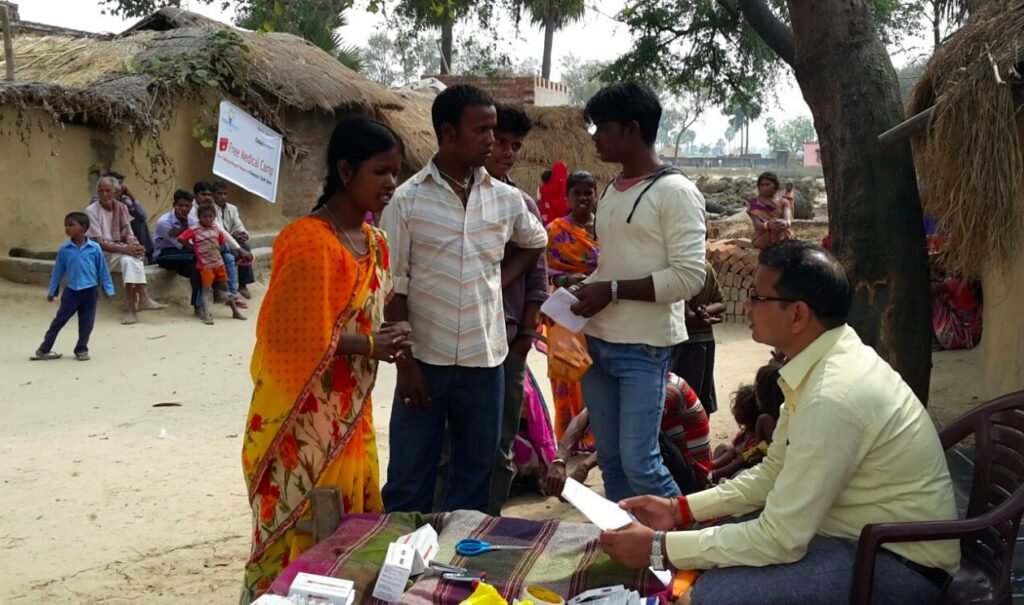
Our journey began with research in various villages around Bodh Gaya, where we conducted interviews with local adults to understand their most pressing needs. While education was frequently mentioned, it quickly became evident that tackling health (both mental and physical), social stigmas, and infrastructure challenges was crucial for education to make a meaningful impact. Based on these findings, we chose to concentrate our initial efforts on the village of Bataspur, adopting a holistic approach to create sustainable change.
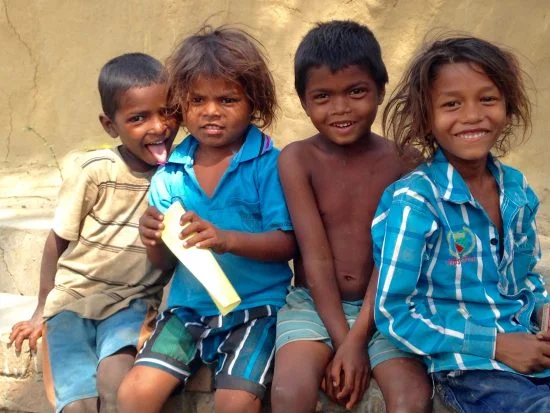
Bataspur is home to a community of around 150 Dalits, historically marginalized and isolated from essential services. This isolation has resulted in widespread health issues and a lack of basic living conditions. Despite a government school being located just 500 meters from their homes, few Dalit children attend. Those who do face discrimination and poor treatment, with just one teacher responsible for 50 students of various ages. Parents, understandably, do not see the benefits of schooling, as there are no job opportunities, inadequate transportation infrastructure, and little hope for a better future.
During the monsoon season, Bataspur becomes even more cut off, with the lack of proper roads making it nearly impossible to access resources across the river. However, the construction of a new bridge near the village offers hope, promising better access to essential goods and services throughout the year.
Additionally, the gender gap remains a significant challenge. Although progress has been made, young girls in India continue to be married off at early ages, leading to severe health complications from giving birth too young, alongside other poverty-related illnesses. We aim to address these issues by inspiring young girls to pursue education and envision a brighter future, where they can break free from the cycle of poverty and inequality.